


Sesame pricing is set at the meeting point of three forces: Chinese import demand, which anchors the global market; African supply, where harvests in Sudan, Ethiopia, Tanzania, Nigeria and Mozambique decide how much seed the season actually delivers; and quality premiums — above all oil content — that separate one container's price from another's. As the 2026 Tanzanian harvest comes in through May–August, here is how those forces are lining up and what they mean for buyers planning contracts into Q3 and Q4.
Demand: China anchors, quality markets pay the premiums
China is by a wide margin the world's largest sesame importer, buying oilseed-grade volume for crushing and food use, and its procurement pace sets the floor under prices in every origin. Around that anchor, the quality markets pay the spreads: Japanese buyers for high-oil, low-defect crushing seed; Turkey and Israel for tahini-grade natural white and hulled; the Gulf and wider Middle East for both; and EU distributors for cleaned, documented, residue-compliant lots. Steady growth in tahini, hummus and seed-based snacking across Europe and North America keeps the top of the market well bid even when the crushing floor softens.
Supply: the Sudan gap is still being repriced
The conflict-driven disruption of Sudanese exports has now shaped several seasons of the sesame trade, removing an unreliable but historically large volume from the market and pushing buyers who once contracted Gadarif seed toward Ethiopia, Tanzania, Nigeria and Mozambique. Ethiopian availability has its own policy and regional variables. The practical effect for 2026: East African origins with functioning ports are structurally better bid than they were five years ago, and that support shows no sign of unwinding this season.
The oil-content premium
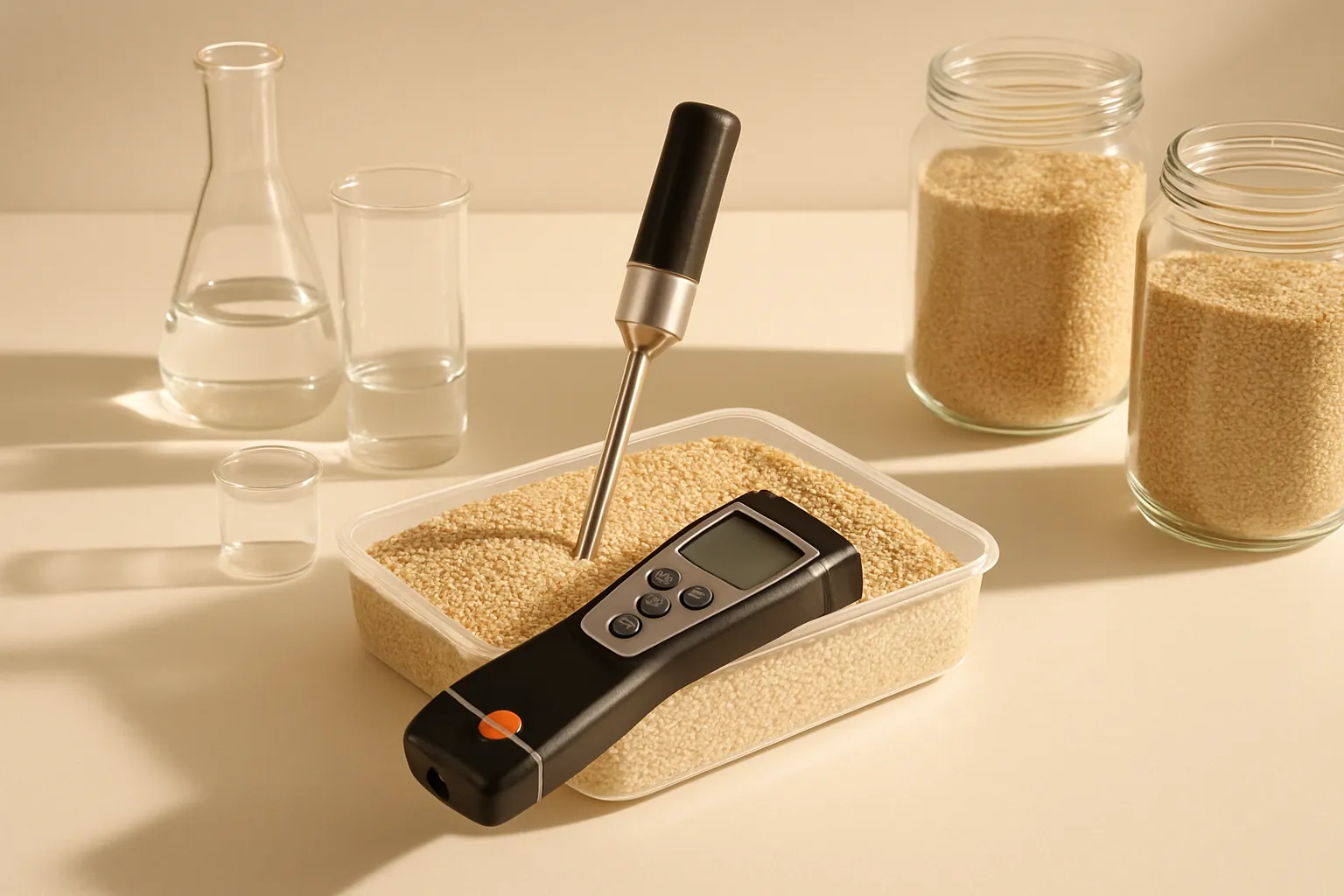
Two containers of 99/1/1 natural white can carry meaningfully different value: a 53 per cent oil lot delivers roughly a tenth more oil at the press than a 48 per cent lot of identical purity. Crushers price accordingly, and lots that ship with a per-lot oil assay — rather than a generic origin average — capture that premium explicitly. This is Tanzania's quiet advantage: bold seed out of Singida and Dodoma regularly assays at 52 to 54 per cent, and buyers who specify oil-content minimums in their contracts are increasingly routing those enquiries to East Africa.
“Purity tells you what share of the bag is sesame. Oil content tells you what the sesame is worth. In a tight market, the second number is where the negotiation actually happens.”
- Joachim Mbwana, Sourcing Lead
Five dynamics to watch through 2026
- Chinese buying pace — the single biggest swing factor for the global price floor, origin by origin.
- Sudanese export recovery — any durable normalisation would ease the premium on alternative African origins.
- East African harvest outcomes — Tanzanian and Mozambican volumes now move the whitish-seed market in their own right.
- Food-safety enforcement — salmonella certification and EU residue controls keep documented, tested lots trading at a premium over paper-thin offers.
- Freight rates from East Africa — material to CIF buyers; a reason FOB programmes with flexible routing keep gaining share.
Timing contracts against the Tanzanian season
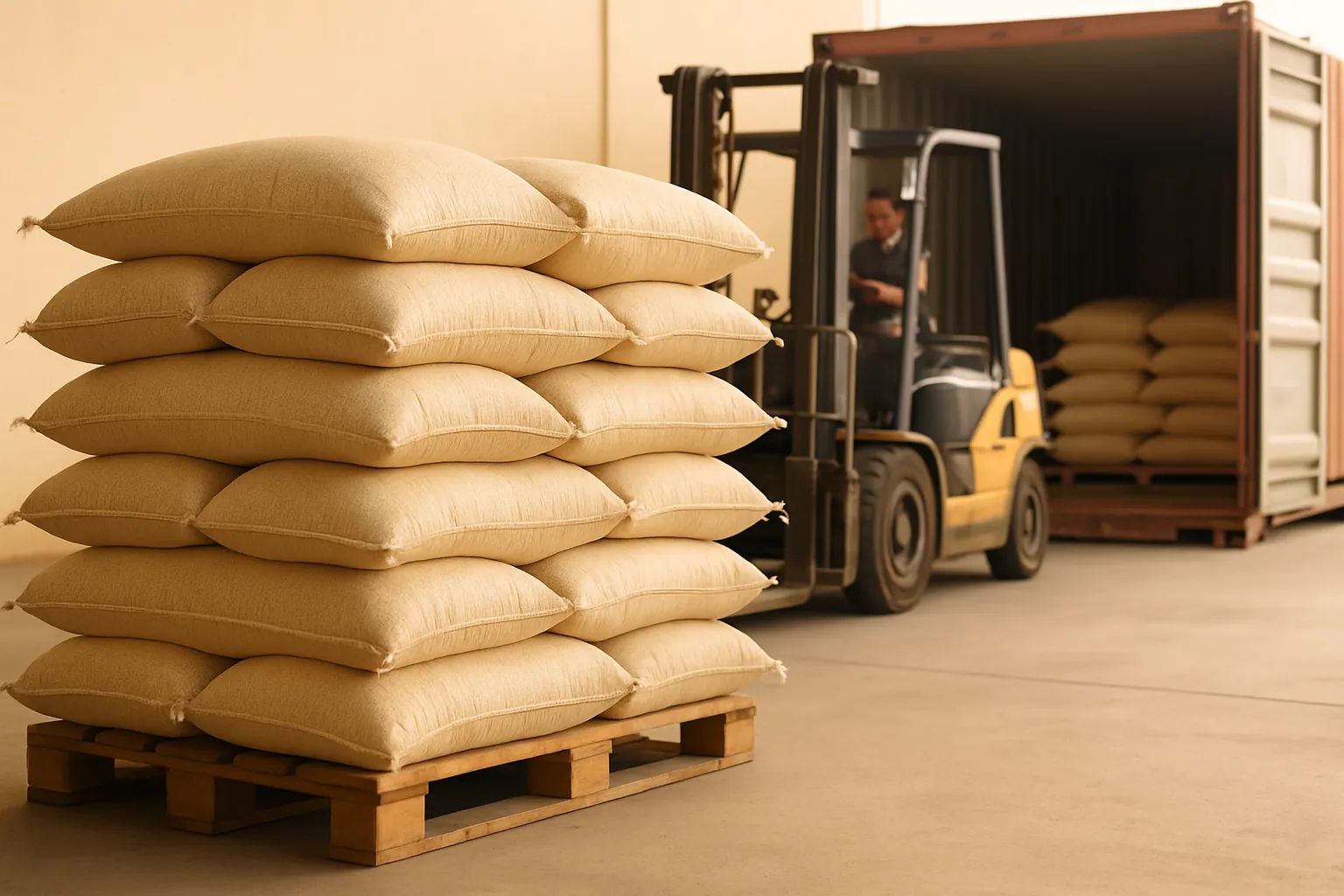
The Tanzanian crop is harvested May through August and moves to port through Q3 and Q4. Buyers who contract early against the new crop — June to August, as lots are threshed, cleaned and assayed — get first allocation of the high-oil, high-purity lots and the season's better freight. Waiting for late-season spot cover usually means choosing from what the early buyers left, at prices that reflect exactly that. Auction and farm-gate prices at origin firm up as export demand lands, so the early window is also usually the value window.
Price predictions are guesses in a market moved by weather, politics and freight. What we can say with confidence is that documented quality — assayed oil, verified FFA, salmonella-screened lots — is trading at a widening premium over undocumented volume, and that buyers who plan against harvest timing rather than calendar timing consistently land better numbers. If you would like an indicative FOB quote on natural white, sortex, hulled or oil-grade sesame for a specific destination, our export desk can return one within a business day.
Related reading
- Wholesale sesame seeds supplier overview- grades, MOQ, testing and shipping in one place
- Tanzania vs India, Sudan & Ethiopia sesame- The origin-by-origin comparison
- Inside Tanzania's sesame season- Why harvest timing decides quality
- Oil-Grade Sesame Seeds (Bold)- 52–54% oil, assayed per lot
- Sortex Natural White Sesame 99.95%- The premium-market workhorse
Related reading
Leave a Comment
Your email address will not be published.