

At a glance
- The wholesale MOQ for Tanzanian sesame is one 20-ft container — roughly 19 to 20 metric tons of seed.
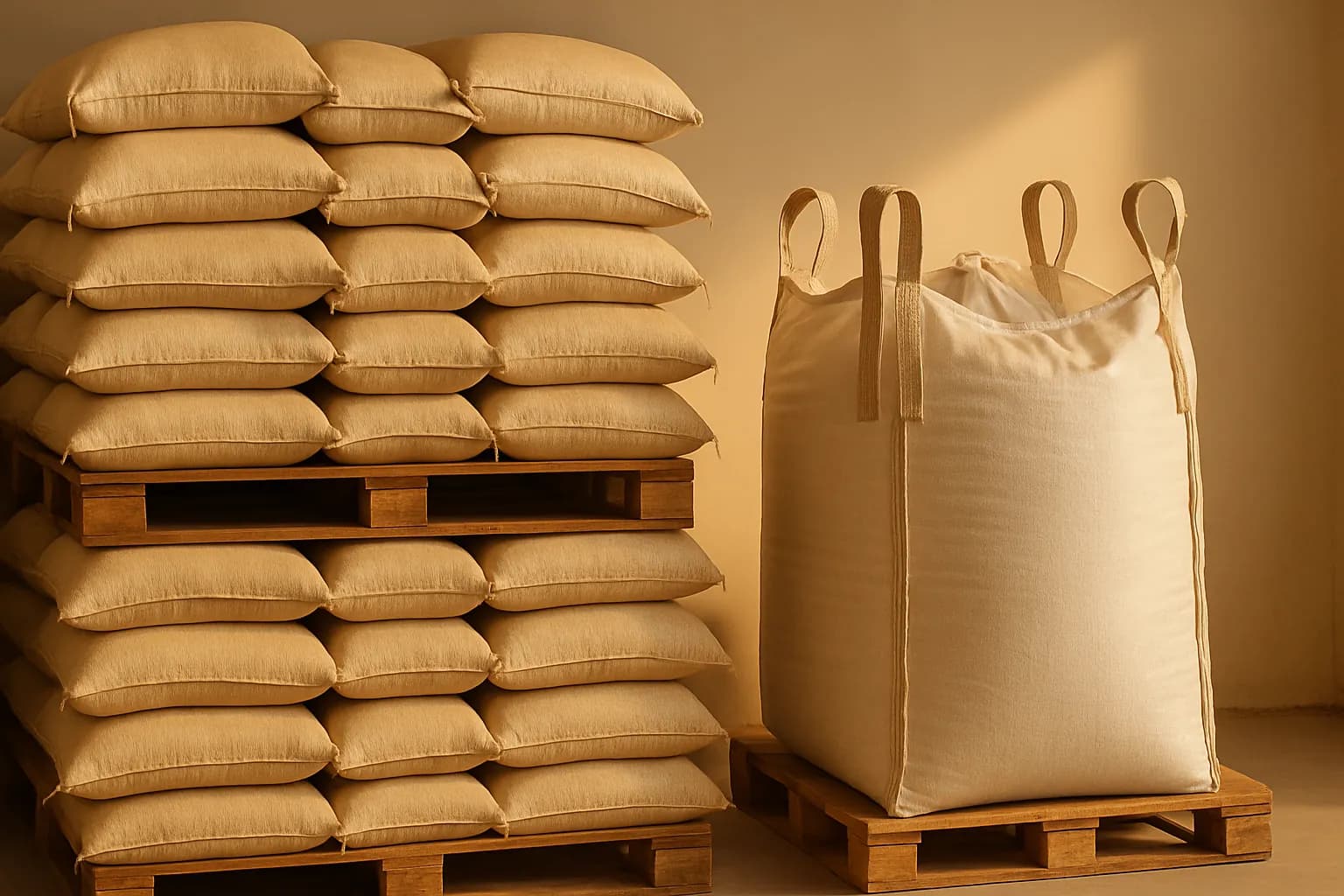
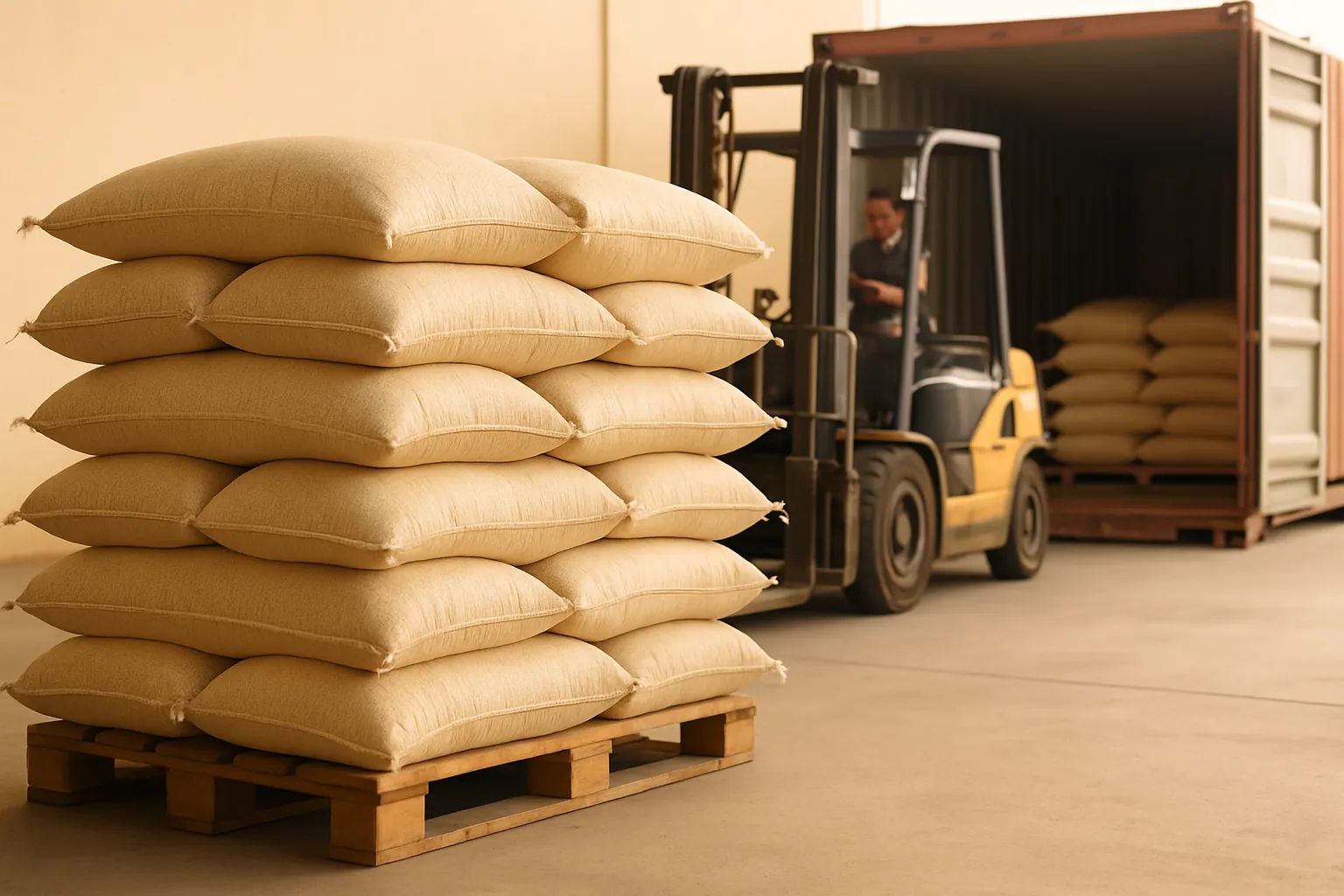
- A container loads as 25/50 kg woven PP bags or 19–20 × 1 MT jumbo (FIBC) bags — same seed, same documents.
- LCL trial shipments are practical from around 5 MT, at a landed cost typically 30–60% higher per kilogram than a full container.
- Pre-shipment samples of 0.5–1 kg ship by courier before any contract, with the lot's lab numbers attached.
- Sesame can be consolidated with cashew in one container through Afri Exports — one booking, two commodities, separate lot documentation.
- First containers typically ship within 30 to 45 days of contract sign-off, from Dar es Salaam or Mtwara.
The minimum order quantity for wholesale sesame seeds from Tanzania is one 20-foot container — roughly 19 to 20 metric tons of seed in 25 or 50 kg woven polypropylene bags, or the same tonnage in 1 MT jumbo bags. That floor is not policy; it is arithmetic. Freight, documentation and cleaning-line costs are largely fixed per shipment, and a full container is the volume at which they stop punishing the buyer. Below it sit two honest entry routes — a courier sample and a paid LCL trial — and inside it sits a bag-format decision that changes what the container costs to actually use. This guide walks through all three.
What is the MOQ for wholesale sesame seeds?
One 20-foot container, which from Tanzania means about 19 to 20 metric tons of natural white sesame. The reason is fixed costs: the phytosanitary certificate, certificate of origin, customs handling, port charges and shipping-line minimums cost close to the same whether the box carries 5 tons or 20 — and a cleaning line cannot economically sieve, destone and sortex a 2-ton lot. Spread those costs across a full load and they nearly disappear per kilogram; spread them across a partial one and they dominate the quote.
Can you order less than a full container?
Yes — through LCL (less-than-container-load) groupage shipments, which are practical from around 5 metric tons. The trade-off is cost: with documentation and handling spread over fewer kilograms, landed cost per kilogram typically runs 30 to 60 per cent above a full-container rate. For a buyer validating a new tahini line or testing a market, that premium is best treated as tuition — a deliberate, one-off cost of learning with real commercial volume — not a recurring supply plan. Most LCL buyers move to a full container on the second order.
Can sesame be consolidated with cashew in one container?
It can. Afri Exports ships both Tanzanian sesame and Tanzanian cashew, so a single 20-foot container can carry a split load — for example, two-thirds sesame in PP bags with cashew kernel cartons making up the balance. The shipment travels on one booking and one bill of lading, while each commodity keeps its own lot numbers, laboratory reports and certificates. For distributors who want to trial two product lines without paying for two containers, consolidation is usually the cheapest honest route in.
Jumbo bags or 25/50 kg PP bags — which is more economical?
The seed, the specification and the documentation are identical; the economics are decided at your receiving dock. A 1 MT FIBC jumbo suits industrial intake — a mill with a hoist and tipping station handles one jumbo in the time it would handle forty 25 kg bags, with faster container turnaround and less bag waste. The 25/50 kg woven PP format wins wherever stock moves by hand or pallet, or where seed is resold in the original bag.
- 25/50 kg PP bags — hand or pallet warehouses, re-distribution in the original bag, mixed customer bases.
- 1 MT jumbo (FIBC) — tahini mills and crushers with tipping stations; fastest destuffing, least bag waste.
- 10/25 kg lined cartons — hulled roasted sesame only, handled as a ready-to-use food ingredient.
How does sampling work before a first order?
Before any contract, ask for a representative pre-shipment sample of 0.5 to 1 kilogram, drawn across the lot rather than hand-picked, and sent by courier with the lot's laboratory numbers — purity, oil content, FFA and moisture. Check colour uniformity in a sample dish, run your own bench tests if you have them, and retain half the sample sealed so the delivered container can be compared against it on arrival.
What changes as order volume grows?
- 1 × 20-ft container — the entry point: spot pricing, one grade or a split-grade load, standard documentation set.
- 2–3 containers per quarter — programme terms: better grade allocation across harvest weeks and a modest contract-pricing improvement over spot.
- 5+ containers per quarter — advance allocation against the new crop (harvested May–August), multi-grade package contracts and packaging customisation.
“A container is not really a minimum — it is the point where the freight math, the documentation math and the cleaning-line math stop working against you. Everything below it is paying extra to learn, and sometimes that is exactly the right thing to pay for.”
- Daniel Mahenge, Logistics Coordinator
If you are sizing a first order, send us the grade, the destination port and the monthly volume your line actually consumes, and we will quote a full-container and an LCL scenario side by side so the premium is visible before you choose. First containers typically ship within 30 to 45 days of contract sign-off, subject to vessel schedules from Dar es Salaam or Mtwara.
Related reading
- Wholesale sesame seeds supplier overview- grades, MOQ, testing and shipping in one place
- Natural White Sesame Seeds 99%- The workhorse export grade
- Natural White Sesame — Jumbo Bags- 1 MT FIBC for bulk intake
- Packing & shipping sesame seeds- Bags, containers, transit lanes, documentation
- How to import sesame seeds from Tanzania- The seven-step buyer's playbook
- Buyer FAQ- MOQ, payment terms, transit times
Related reading
Leave a Comment
Your email address will not be published.