
Tahini and halva
Natural white or hulled seed with high oil and low FFA. Hulled makes a lighter, smoother paste; natural white suits mills that hull in-house.
Sortex-cleaned to 99.95% purity
Natural white sesame from Tanzania's sesame belt
Sesame seed exporter shipping to importers worldwide
Direct from Tanzania's sesame belt
Natural white sesame to the 99/1/1 convention, sortex-cleaned lots at 99.95 per cent, hulled seed at 99.98 per cent and oil-grade bold seed — grown in Tanzania's central and southern belt, cleaned under TBS certification and shipped with an independent lab report on every lot.
Tanzanian sesame is sown with the rains from December and harvested from May through August, across Dodoma, Singida, Morogoro, Lindi and Mtwara. Afri Exports ties every container to its growing district and harvest window, which is how purity and oil content hold steady from one order to the next.
The first decision is natural or hulled, and it follows the product you are making. A tahini mill, an oil crusher and a bakery all buy sesame, but they are buying three different specifications. We quote the one your process needs rather than the most expensive one we have.
Purity, oil and hulling each cost money. Pay for the ones your product actually uses.
Natural white or hulled seed with high oil and low FFA. Hulled makes a lighter, smoother paste; natural white suits mills that hull in-house.
Oil-grade bold seed at 52 to 54 per cent oil content, bought on yield rather than appearance.
Hulled white sesame at 99.98 per cent for bright, even buns, crackers and bars where every seed is visible.
Sortex-cleaned natural white at 99.95 per cent, optically sorted so an odd dark seed or stone does not fail a delivery.
Sesame specifications look like a code until you write them down. Send these points and we quote against a defined lot.
The same four checkpoints keep the sample, contract and commercial lot aligned.
We agree grade, volume, packing, destination and the laboratory measures that go into the contract.
A representative sample drawn across the lot shows your team the purity, colour and cleanliness you will actually receive.
An independent laboratory reports purity, oil content, FFA, moisture and admixture, tied to the lot on the bill of lading.
Bags or jumbos load at Dar es Salaam, or Mtwara for southern lots, with the document pack prepared against your market.
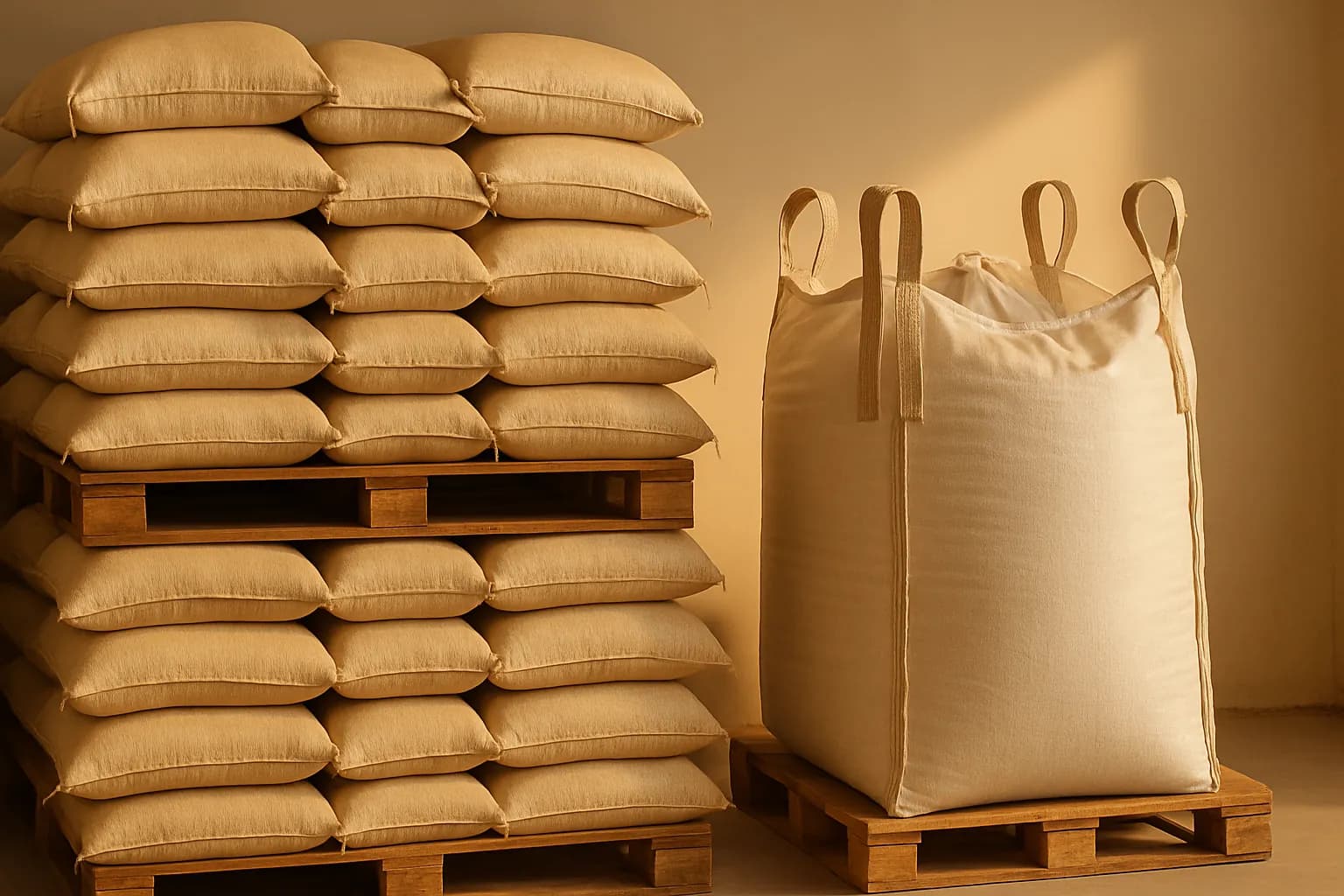
One 20-foot container, which holds about 19 to 20 metric tons in 25 or 50 kg bags or in 1 MT jumbo bags. Larger volumes and mixed-grade containers are agreed case by case.
It is the trade convention for natural white sesame: 99 per cent purity, at most 1 per cent admixture and at most 1 per cent seeds of other colours. Sortex-cleaned lots go further, to 99.95 per cent purity.
We supply organic natural white from documented farm clusters with chain-of-custody records per lot. We are not ourselves an organic-certified operator, and we say so plainly — the documentation available for your contract is confirmed before you order.
Sown with the rains from December to February and harvested from May through August. Peak export volume moves in the third and fourth quarters, once the new crop is threshed, dried and cleaned.
Send the product form, grade or end use, volume, destination port and required tests. Our export desk replies within one business day.